
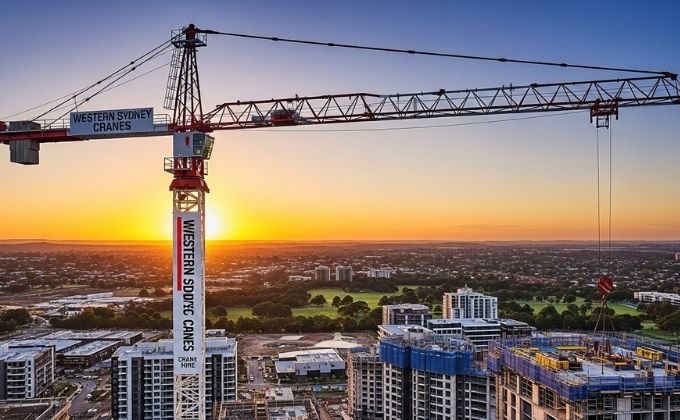

Hiring a tower crane is a significant decision for construction projects, whether you are managing a high-rise development or a large-scale industrial build. While cost, capacity, and site logistics are often the primary concerns, seasonal factors can play an equally important role in the safe and efficient use of tower cranes. Understanding how different seasons impact crane operation, safety, and hire costs can help project managers make informed decisions and avoid delays or unexpected expenses.
Weather and Wind Conditions
One of the most critical seasonal considerations for tower crane hire is the effect of weather on crane operation. Tower cranes are highly sensitive to wind speeds. During winter and stormy seasons, high winds can make crane operation hazardous, limiting lift capacity and increasing the risk of accidents. Many crane manufacturers and rental companies provide maximum wind speed limits for safe operation, typically around 20–28 meters per second (45–62 mph), depending on the crane model. Exceeding these limits can result in operational stoppages.
Rain, snow, and ice also affect crane performance. Wet or icy conditions can reduce traction on mobile crane components and make rigging more difficult. Additionally, precipitation can compromise the stability of the crane’s foundation if the ground becomes soft or waterlogged. When planning a tower crane hire, project managers should account for seasonal weather patterns and consider temporary ground stabilization measures to mitigate these risks.
Temperature Effects on Equipment
Extreme temperatures, whether hot or cold, can impact the mechanical performance of tower cranes. In colder months, lubricants can thicken, and hydraulic systems may respond more slowly, increasing wear and tear. Steel components may become more brittle in sub-zero temperatures, requiring extra precautions and regular inspections. Conversely, hot summer temperatures can cause metal expansion, affect electronic controls, and increase the risk of overheating in motors.
Rental companies often adjust their maintenance schedules seasonally, and some may provide equipment specifically rated for extreme temperatures. Ensuring that the tower crane hire includes seasonal maintenance considerations can prevent breakdowns and minimize downtime on the project.
Daylight Hours and Operational Planning
Seasonal variations in daylight hours can influence the scheduling of crane operations. In winter, shorter daylight periods mean that tasks requiring high visibility may need to be completed in reduced light conditions. This can increase safety risks and potentially extend project timelines. Using artificial lighting can help, but it adds to project costs and requires careful planning to avoid shadows that obscure crane operations.
During summer, longer daylight hours allow for extended work periods, which can improve project efficiency and reduce the need for night shifts. When arranging a tower crane hire, it’s essential to consider how seasonal daylight changes will impact your construction schedule.
Ground and Site Conditions
The condition of the construction site varies with the seasons, affecting crane setup and stability. Wet or frozen ground can complicate the installation of tower cranes, which require firm, level foundations. In spring, melting snow and seasonal rains can create muddy or soft soil, potentially delaying installation. Autumn can also present challenges, as falling leaves and wet conditions may create slippery surfaces, impacting worker safety and crane footing.
Project managers should plan for seasonal ground stabilization techniques, such as mats, compacted gravel bases, or temporary concrete pads, to ensure safe and secure crane operation throughout the year.
Demand and Availability
Seasonality can influence the demand and availability of tower cranes. In regions with harsh winters, the construction industry often experiences a slowdown, which may reduce crane hire costs and improve availability. Conversely, peak building seasons in spring and summer can lead to higher demand, limited crane availability, and increased hire fees.
Planning ahead and booking your tower crane hire early can secure the necessary equipment at a more favorable rate. Rental companies may also offer seasonal discounts during low-demand periods, making it financially advantageous to consider timing when scheduling your project.
Safety Regulations and Inspections
Seasonal considerations are also tied to safety compliance. In extreme weather conditions, regulatory bodies may impose stricter operational restrictions on tower cranes. For example, local authorities may require additional inspections during periods of heavy rain, snow, or high winds. These inspections ensure that crane stability, structural integrity, and operational safety meet legal requirements.
Including seasonal inspections as part of your tower crane hire contract is crucial. It ensures that the crane remains safe to operate regardless of environmental challenges, reducing liability risks and enhancing overall project safety.
Conclusion
Seasonal factors play a crucial role in the planning and execution of projects involving tower crane hire. Weather, temperature, daylight hours, ground conditions, demand, and safety regulations can all influence crane operation, costs, and project timelines. By carefully considering these seasonal elements, construction managers can mitigate risks, optimize efficiency, and ensure that their crane operations remain safe and reliable throughout the year. Early planning, proper maintenance, and collaboration with experienced crane rental companies are essential steps in adapting to seasonal challenges and achieving successful project outcomes.