
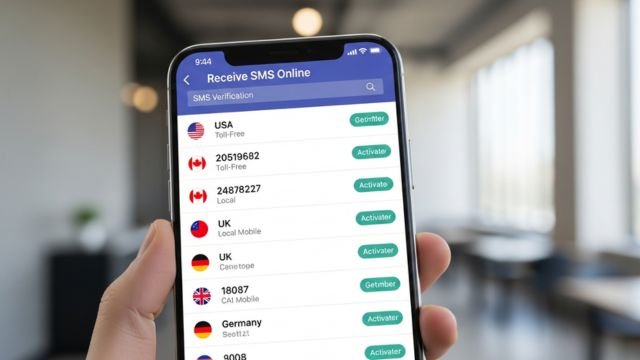

In today’s digital era, privacy has become one of the most valuable assets a person can protect. With the exponential growth of online services, social media platforms, e-commerce, and mobile applications, safeguarding personal information has become a major concern. One of the most effective tools to maintain digital privacy and security is the use of an sms verification number. This mechanism offers an extra layer of protection, ensuring that your accounts and sensitive data remain secure from unauthorized access.
An sms verification number functions as a crucial gatekeeper for online accounts. When registering for a new service or logging into an existing platform, a user is prompted to enter a temporary code sent via SMS to their registered mobile number. This process, also known as two-factor authentication (2FA), ensures that even if someone knows your password, they cannot access your account without the unique code sent to your phone. By integrating this step, online platforms make it significantly harder for hackers to compromise accounts.
Digital threats have evolved far beyond simple password guessing. Cybercriminals now use phishing, malware, and data breaches to obtain personal information. In such scenarios, an sms verification number acts as a vital barrier. Even if your password is exposed through a breach, the verification code sent to your mobile device prevents unauthorized users from gaining entry. This added step reassures users that their personal and financial information is better protected.
The importance of an sms verification number extends beyond personal accounts to professional and financial environments. For businesses handling sensitive data, including client information, payment details, or confidential communications, employing SMS verification ensures that only authorized personnel can access critical systems. Companies that prioritize digital privacy often incorporate SMS verification into their authentication protocols to safeguard both their clients and their own operational integrity.
Another advantage of using an sms verification number is its ability to reduce the risk of identity theft. With identity theft becoming increasingly common, attackers often attempt to create accounts or impersonate individuals to access sensitive services. By requiring an SMS verification code, online services can confirm that the person attempting to create or access an account is the legitimate owner of the mobile number associated with it. This verification step acts as a proactive measure, preventing fraudulent registrations and unauthorized account usage.
For users concerned about privacy, an sms verification number can also help manage anonymous or secondary accounts. Many individuals prefer not to share their primary phone numbers for online registrations or marketing communications. Using a dedicated SMS verification number allows them to complete necessary verifications without exposing their main contact information. This not only enhances privacy but also minimizes unwanted spam and promotional messages.
Despite the rise of alternative verification methods such as email codes or authentication apps, SMS verification remains widely used due to its simplicity and accessibility. Unlike app-based solutions that require smartphones or internet connectivity, an sms verification number works on virtually any mobile phone with cellular service. This universality makes it a reliable option for millions of users worldwide who seek an easy yet effective way to secure their digital presence.
Moreover, an sms verification number plays a significant role in regulatory compliance for both individuals and organizations. Many industries, including banking, healthcare, and e-commerce, must adhere to strict data protection laws that mandate multi-layered authentication for sensitive transactions. Implementing SMS verification helps meet these requirements, ensuring that data privacy standards are upheld and reducing the risk of legal and financial penalties.
However, while SMS verification is highly effective, it is essential to use it properly. Users should ensure that their mobile numbers are up-to-date and secure, avoiding shared or publicly accessible devices. Businesses should integrate SMS verification into broader security frameworks, combining it with strong password policies, encryption, and continuous monitoring. By doing so, the sms verification number becomes part of a holistic approach to digital privacy rather than a standalone solution.
In addition to security benefits, SMS verification enhances user confidence and trust. Knowing that a platform requires an sms verification number for account access reassures users that their personal data is treated with care and protected against malicious attempts. This trust can lead to higher engagement, stronger customer relationships, and a reputation for prioritizing digital safety.
In conclusion, an sms verification number is not merely a convenience but an essential tool in the modern digital landscape. From preventing unauthorized access and identity theft to ensuring regulatory compliance and maintaining user trust, the benefits of SMS verification are far-reaching. As online threats continue to evolve, adopting robust verification measures like SMS codes is crucial for safeguarding personal and professional information. Individuals and organizations alike can greatly enhance their digital privacy by recognizing the importance of an sms verification number and integrating it into their everyday online interactions. It represents a simple yet powerful step toward a safer and more secure digital experience.