
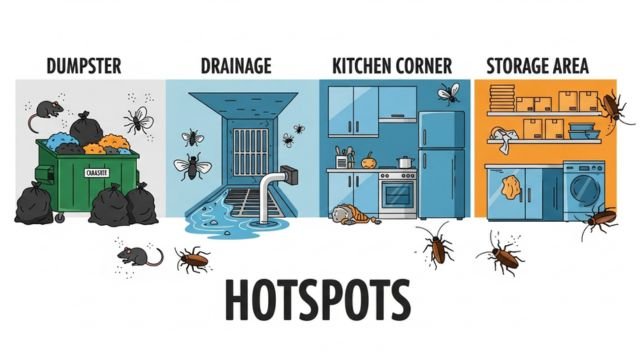

Understanding Why Mistakes Lead to Infestations
Many UK restaurants unknowingly create environments that attract pests. From poor cleaning habits to improper food storage, these oversights offer rodents, insects and other pests easy access to food and shelter. Even small mistakes can lead to major infestations that damage reputation, compromise hygiene and disrupt daily operations. Recognising these common errors is the first step toward building a strong pest control restaurant strategy that keeps food establishments safe and compliant.
Neglecting Deep Cleaning Routines
Daily surface cleaning is not enough to prevent pests. One of the most common mistakes restaurants make is neglecting deep cleaning behind and beneath equipment. Grease build-up behind cookers, crumbs under counters and spills in hidden corners become feeding grounds for pests like cockroaches, ants and rodents. When these areas are overlooked, pests can thrive unnoticed. Maintaining regular deep-clean schedules and inspecting hard-to-reach places is crucial for long-term hygiene.
Improper Food Storage Practices
Storing food incorrectly is another major contributor to pest infestations. Many restaurants fail to keep ingredients in sealed containers, allowing pests to access open bags or loosely covered items. Leaving food uncovered during preparation or cooling also attracts flies and ants. Proper labelling, stock rotation and airtight storage greatly reduce these risks. When food is secured responsibly, pests have fewer opportunities to breed or feed, strengthening the overall pest control restaurant plan.
Poor Waste Management
Waste is one of the biggest magnets for pests. Overflowing bins, unsealed bags and improper disposal practices allow pests to access food remnants easily. Restaurants sometimes overlook the importance of cleaning the inside and outside of bins, which can leave sticky residues that attract flies and rodents. Waste areas should be cleaned regularly, bins should remain closed and rubbish must be removed promptly to discourage unwanted pests.
Ignoring Maintenance Issues
Minor structural issues can quickly escalate into pest problems when neglected. Cracks in walls, gaps under doors, broken tiles, damaged vents or leaking pipes provide entry points and breeding areas for pests. Rodents can squeeze through surprisingly small spaces, and insects thrive in damp environments. Restaurants that postpone maintenance inadvertently create inviting conditions for infestations. Addressing repairs promptly is essential for effective pest prevention.
Allowing Clutter to Accumulate
Clutter such as unused equipment, cardboard boxes or piles of stock can create hiding spots for pests. Many restaurants store items improperly in basements, dry storage areas or corners of the kitchen. Cardboard in particular is a favourite material for pests like cockroaches and rodents due to its warmth and ability to absorb moisture. Keeping storage spaces organised and reducing unnecessary clutter helps eliminate these hidden shelters.
Failing to Inspect Deliveries
One of the frequently overlooked mistakes is failing to check food deliveries for pests or signs of contamination. Pests including beetles, moths or weevils can enter through packaged goods, while rodents or insects may hide in delivery boxes. Staff should be trained to inspect shipments before bringing them into storage areas. Quick detection prevents pests from spreading through dry goods and contaminating large quantities of food.
Leaving Doors and Windows Open
Open doors and windows invite pests directly into the restaurant. While ventilation is important, doors and windows should have screens or air curtains to prevent insects and rodents from entering. Some restaurants prop doors open during busy periods or for staff convenience, unknowingly creating an easy access point. Ensuring that entry points remain secure is essential to maintaining a strong pest control restaurant routine.
Inconsistent Staff Training
Even with strict hygiene policies, untrained staff can unintentionally create conditions that attract pests. Inconsistent cleaning methods, improper waste handling or failure to report early signs of pest activity can weaken even the best prevention efforts. Regular training sessions help staff understand their roles in maintaining a clean and pest-free environment. When employees recognise warning signs early, they can take prompt action before infestations escalate.
Overlooking Early Warning Signs
Ignoring early signs of pest activity is another common issue. Small indicators such as droppings, gnaw marks, bad odours or unusual noises often go unnoticed or unreported. Restaurants that delay addressing these symptoms may face extensive infestations that require more intensive treatment. Regular inspections—internal or professional—are essential for catching these issues early and reducing long-term damage.
Not Using Professional Pest Control Services
Relying solely on in-house cleaning without support from experts is a costly mistake. Professional services offer specialised knowledge, advanced equipment and strategic monitoring that restaurants cannot achieve on their own. A structured partnership helps ensure consistent safety and compliance with UK hygiene standards. Choosing a reliable provider reinforces preventive measures and supports a healthier dining environment year-round.
Avoiding these common mistakes is essential for maintaining a safe and hygienic restaurant. By improving cleaning habits, training staff effectively and partnering with professionals, UK restaurants can significantly reduce pest risks. A well-executed pest control restaurant strategy protects customers, staff and the reputation of your business.