
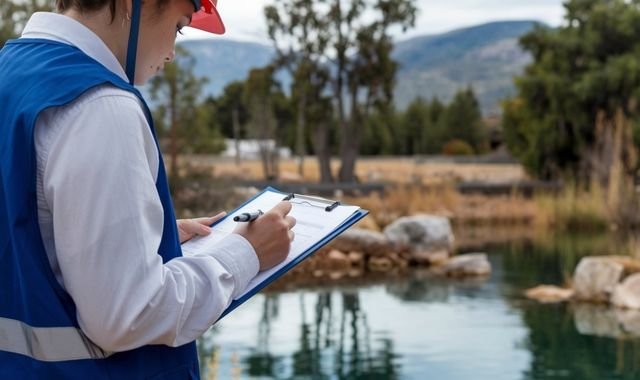

In today’s environmentally conscious world, environmental surveys for property play a critical role in shaping responsible and sustainable development. These surveys are no longer a procedural formality—they are essential tools for guiding decisions from site selection to post-construction management. Integrating them at every stage ensures that developments align with ecological priorities, regulatory standards, and community expectations.
Understanding the Role of Environmental Surveys
Environmental surveys are assessments designed to evaluate how a piece of land interacts with its surrounding environment. They identify potential contamination, habitat value, water quality, air quality, and geological risks. For property developers, these surveys are invaluable in understanding both the opportunities and constraints of a site. Early integration of environmental surveys for property helps determine feasibility, mitigate risks, and plan effective land use strategies that minimize environmental disruption.
Pre-Development: Assessing Site Viability
Before breaking ground, environmental surveys establish the foundation for informed decisions. During the pre-development stage, surveys help determine whether a site is suitable for the intended project. They identify contaminated land, endangered species habitats, flood zones, or protected areas that may restrict construction. This insight allows developers to modify designs, select appropriate building methods, and avoid costly regulatory or remediation challenges later. By using environmental surveys for property early in planning, developers gain a clearer understanding of what the land can support.
Design and Planning: Shaping Sustainable Projects
Once a site is deemed viable, environmental data becomes a key design input. Survey findings inform the placement of buildings, green spaces, drainage systems, and infrastructure. This ensures that natural features such as trees, wetlands, and wildlife corridors are preserved where possible. Additionally, integrating environmental insights into the design phase supports sustainability goals, reduces waste, and improves long-term resilience. Urban planners and architects rely on these survey results to create designs that balance growth with environmental stewardship.
Construction Phase: Managing Environmental Impact
Environmental surveys continue to play a vital role once construction begins. They provide the baseline data needed to implement environmental management plans and ensure compliance with local and national regulations. Monitoring air and water quality, noise levels, and soil stability during construction helps minimize the site’s ecological footprint. When environmental surveys for property are part of ongoing site supervision, developers can quickly respond to any emerging environmental risks, maintaining both safety and sustainability.
Post-Construction: Ensuring Long-Term Compliance and Value
After development, environmental monitoring remains essential. Post-construction surveys assess whether mitigation measures are functioning as planned and ensure that ecosystems are recovering or adapting successfully. This phase also reassures investors, residents, and regulatory bodies that the development remains environmentally sound. Long-term compliance not only fulfills legal obligations but also enhances the property’s reputation and market value.
Building a Future on Informed Decisions
Integrating environmental surveys for property throughout the development process is key to building responsibly in the modern era. These surveys inform better land use, reduce environmental harm, and help meet sustainability targets. From feasibility assessments to post-construction monitoring, environmental surveys ensure that development and nature coexist harmoniously. For planners and developers aiming for both profitability and environmental accountability, they are not just an added step—they are an essential part of every successful project.